One of my favourite things about photography is learning why photos look the way they do.
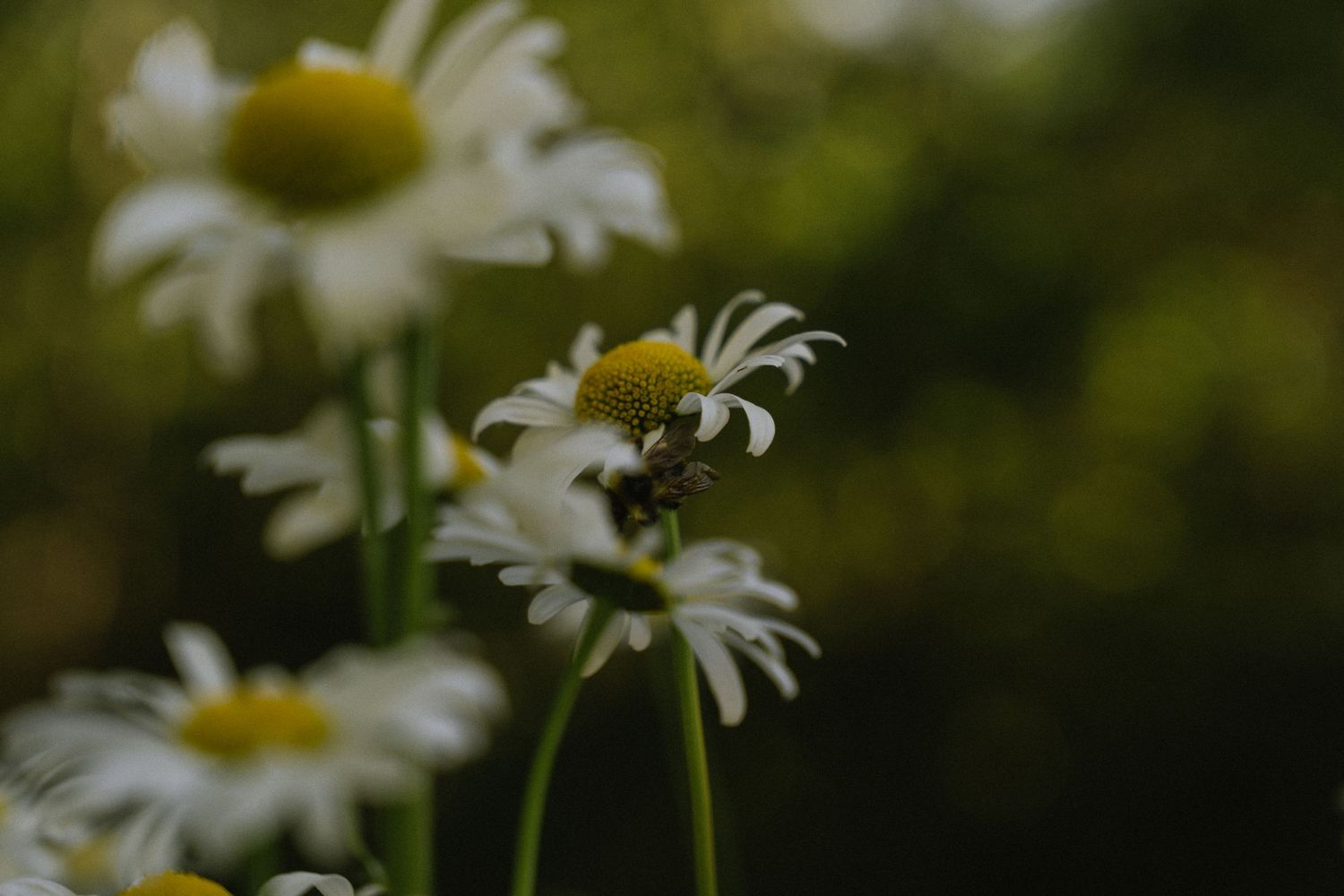
Background blur has always fascinated me because it's one of those things people notice right away, but it's also one of the most misunderstood parts of photography. A lot of people assume it's simply because a photographer has an expensive camera or lens, but there's actually so much more happening behind the scenes.
What I find so interesting is that there isn't just one thing creating that beautiful, soft background. It's the combination of several elements working together, and I think that's such a cool part of photography. So let's get into it!
Aperture
Aperture is probably the factor people hear about the most when talking about background blur.
A wider aperture, such as f/1.4 or f/2.8, allows more light into the lens and creates a shallower depth of field, which can result in a softer, blurrier background. A smaller aperture, like f/8, keeps more of the scene in focus.
Something I found confusing when I first started learning photography was that a “smaller” aperture actually means a larger number. It feels backwards at first, but the number refers to the size of the opening inside the lens — the smaller the opening, the less light comes in, and the more of the image stays in focus.
While aperture definitely plays an important role, it’s only one piece of the puzzle when creating background separation.
Distance
The distance between your subject and the background makes a huge difference.
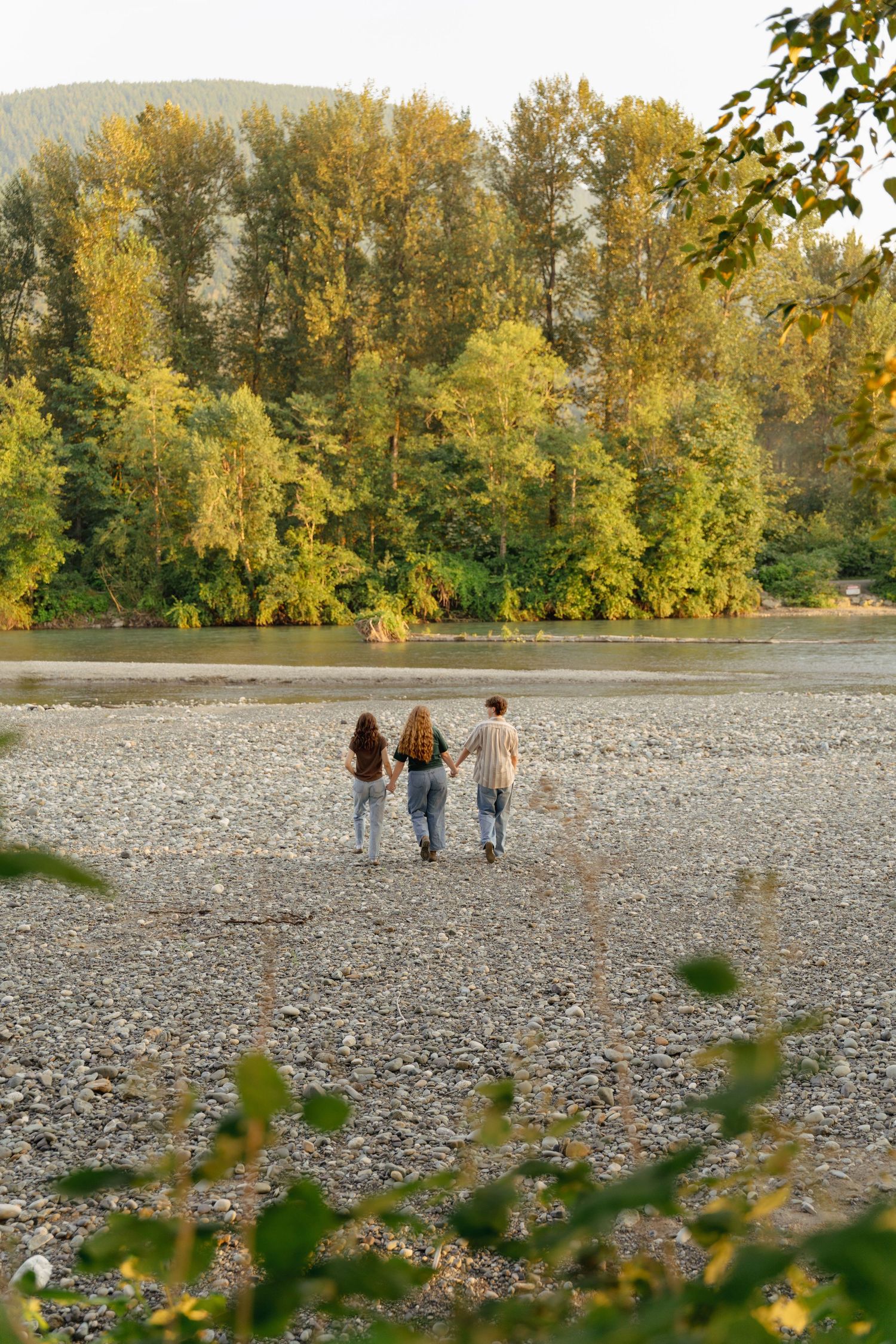
The farther your subject is from the background, the more separation you can create, allowing the background to appear softer and more blurred. For example, placing your subject 10–15 feet away from a wall or tree line will usually create more depth than having them stand directly in front of it.
Sometimes moving your subject just a few feet can completely change the look and feel of an image.
It’s a simple adjustment, but one that can have a surprisingly big impact on the final photograph.
Lens Choice
The lens you're using also changes how much background separation you can achieve.
Different focal lengths create different looks. For example, an 85mm lens at f/1.8 will generally create more background separation and compression than a 35mm lens at f/1.8 when photographing the same subject from the same distance.
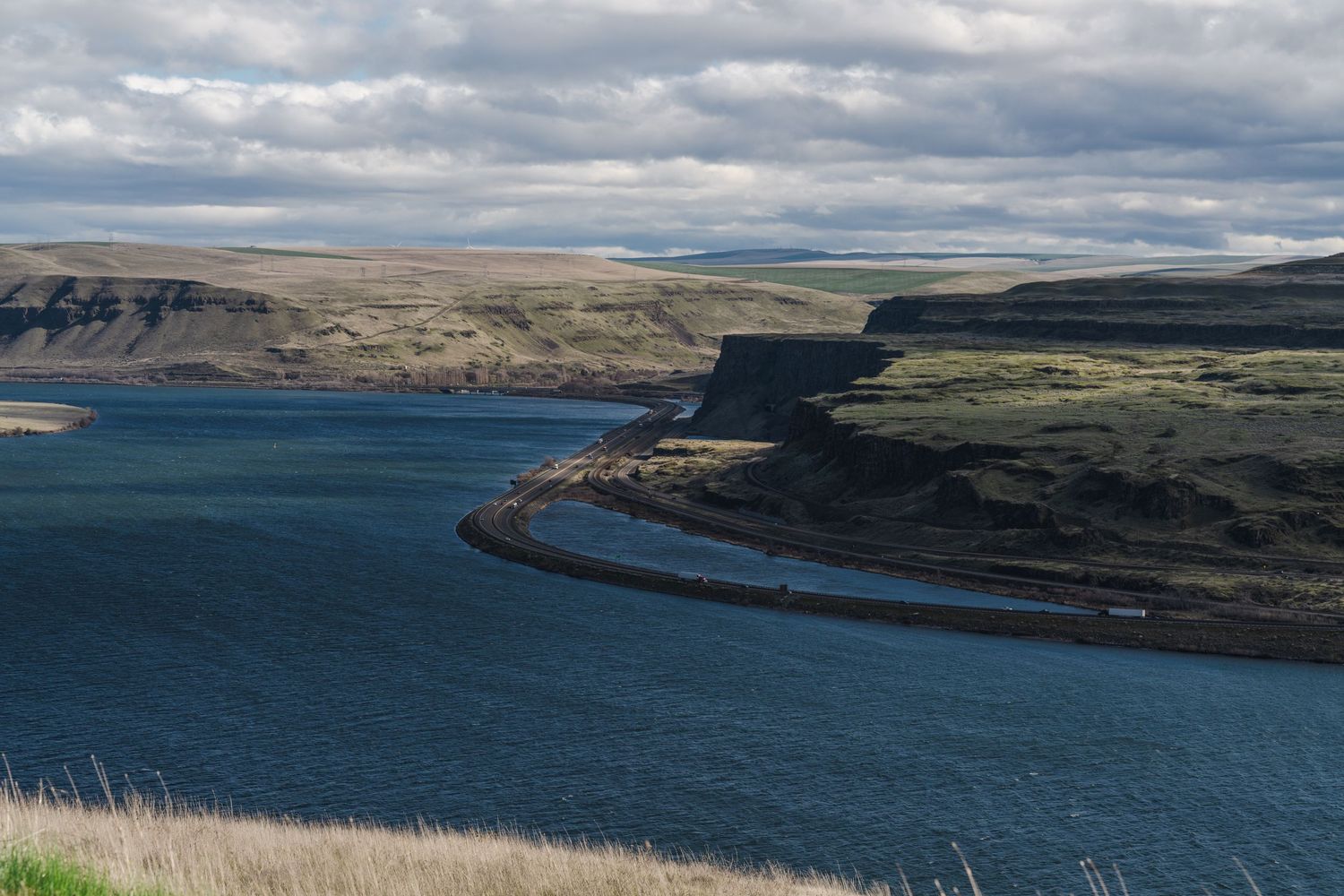
A wider lens like a 24mm or 35mm will include more of the environment and create more context, while a longer lens like an 85mm or 135mm will create a more compressed look with a softer, more separated background.
This is one of the reasons photographers choose different lenses depending on the story they want the image to tell.
Compression
Compression is one of my favourite concepts in photography.
Longer focal lengths, such as an 85mm or 135mm lens, change the relationship between your subject and the background. They make the background appear closer while creating a more layered, compressed look with added depth and separation.
It’s a subtle effect that many people don’t notice at first, but once you understand it, you start seeing it everywhere. It’s one of those small technical details that can completely change the feeling of an image.
It's Never Just One Thing
One of the reasons I love photography so much is because so many different elements work together to create a single image.
Background blur isn't simply created by owning expensive equipment. It's the result of understanding how aperture, distance, lens choice, and compression all influence one another.
The more I learn about photography, the more I realize how much intention goes into every image. Every decision—from where I place my subject to which lens I choose - helps create the final photograph.
Why I Wanted to Share This
I wanted to share this because I genuinely find it fascinating.
The more I learn about photography, the more I appreciate that there is always something new to discover. What might seem like a simple blurry background is actually the result of many small decisions working together.
I think that's one of the most rewarding parts of being a photographer. There is always something to learn, always another technique to explore, and always another opportunity to see the world a little differently.
I hope the next time you see a portrait with a beautifully blurred background, you'll know there's a little more going on behind the scenes than meets the eye.