Understanding Light: How Different Lighting Changes Your Photos
When people look at a beautiful photo, they often notice the location, the outfits, or the people in it - but one of the biggest things that changes the entire feeling of an image is something we don’t always think about: light
As photographers, we’re constantly watching the way light falls, how it changes throughout the day, and how we can use it to create a certain feeling in an image.
The same location can look completely different depending on the time of day, the weather, and the direction of the light. This is one of my favourite parts of photography - taking a familiar place and seeing how it transforms.
Here are some of my favourite types of natural lighting and how they can impact your photos:
1.) Golden Hour
Golden hour is probably the most talked-about lighting in photography, and for good reason.
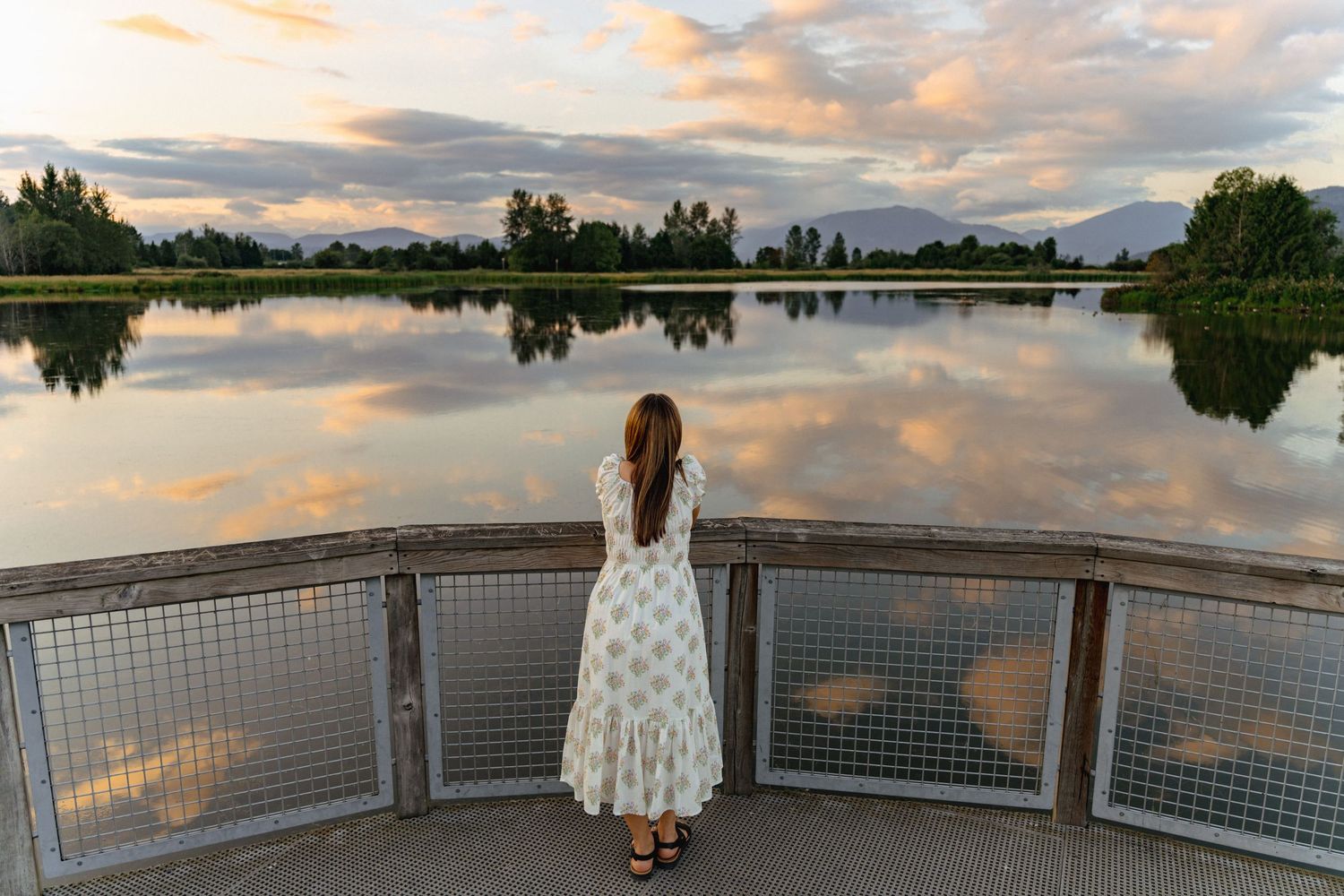
Golden hour happens an hour after sunrise and an hour before sunset when the sun is lower in the sky. The light becomes softer, warmer, and creates a beautiful glow that is flattering for portraits.
This is my personal favourite time to photograph because it creates a warm, timeless feeling while still keeping images natural - which is totally my style!
Golden hour is perfect for:
- Family sessions
- Couples
- Maternity sessions
- Portraits
- Outdoor branding
2.) Overcast Light
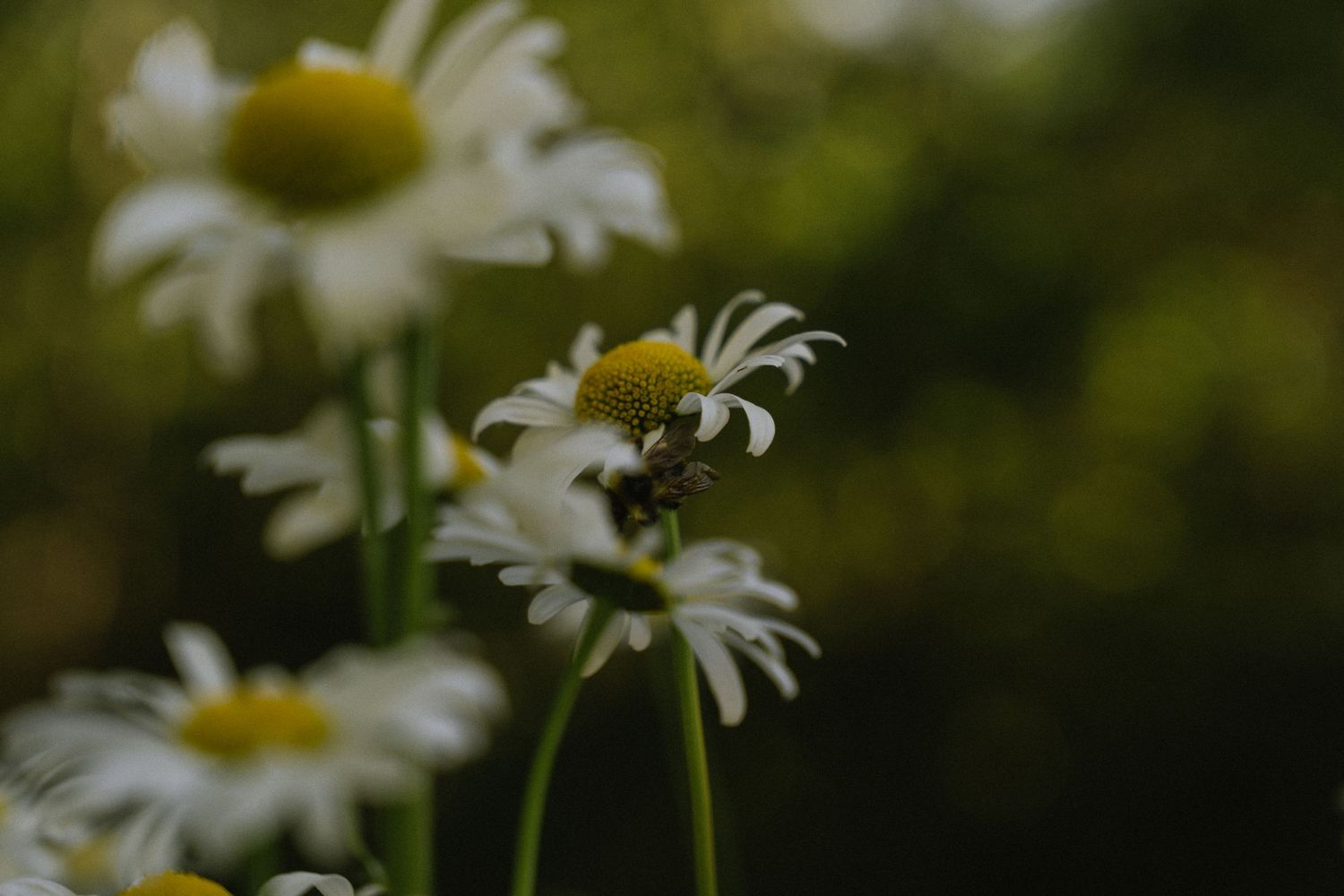
A cloudy day might not seem ideal for photos, but photographers actually love overcast skies.
Clouds act like a natural diffuser, creating soft and even lighting. This helps reduce harsh shadows and creates a clean, natural look. This is my second favourite lighting to shoot in!
Overcast lighting is especially great for:
- Family sessions with young children
- Branding sessions
- Forest locations
- More documentary-style photography
Some of my favourite sessions have actually happened on cloudy days because the lighting allows the focus to stay on the people and the moments being captured.
3.) Backlighting
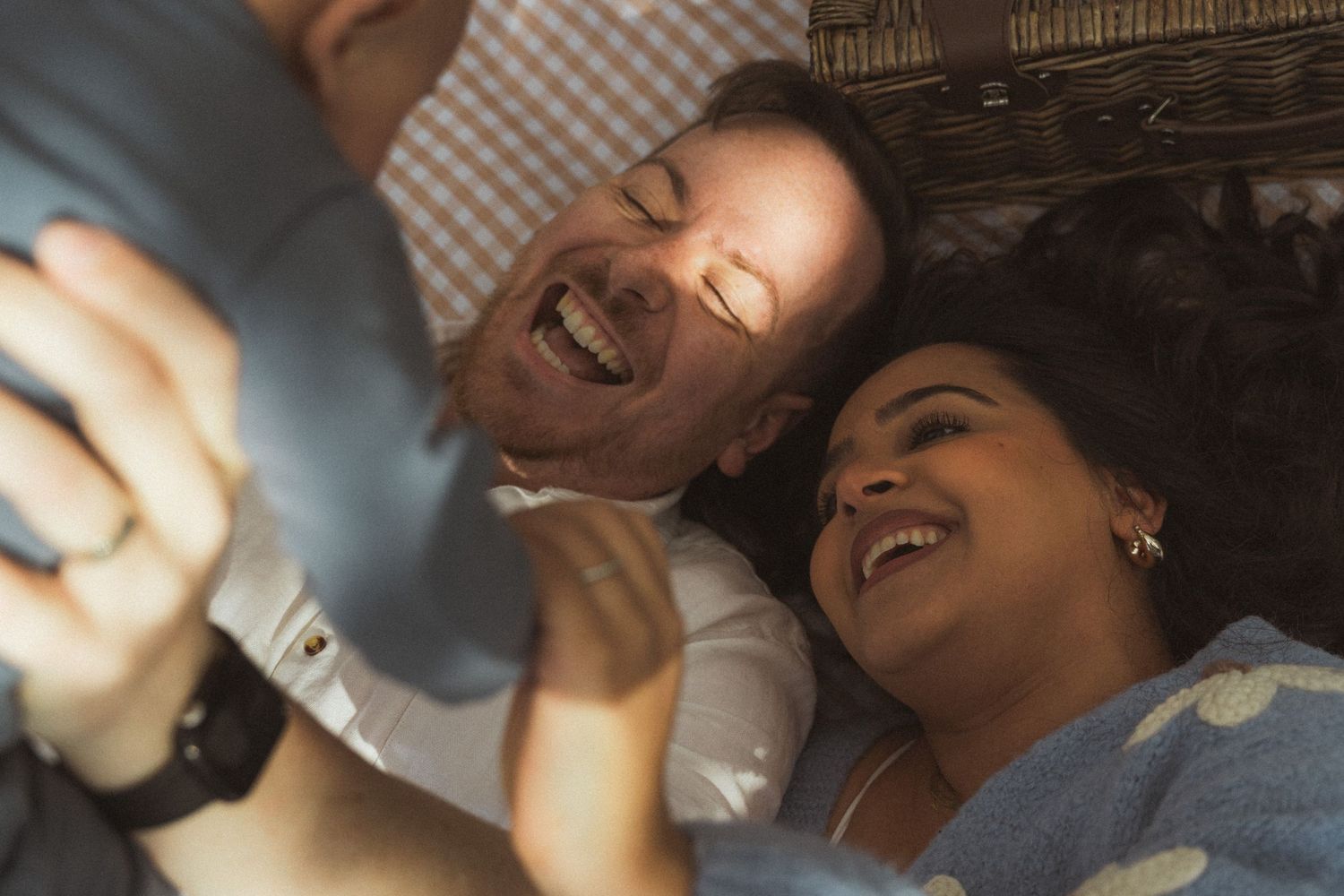
Backlighting is when the light source is behind your subject. This creates a beautiful glow around the edges of your subject and adds depth to an image.
This is one of my favourite techniques during golden hour because it creates that dreamy, glowing look while still feeling authentic.
4.) Midday Light
Personally, this one is not my favourite, but it’s definitely not one to avoid either!
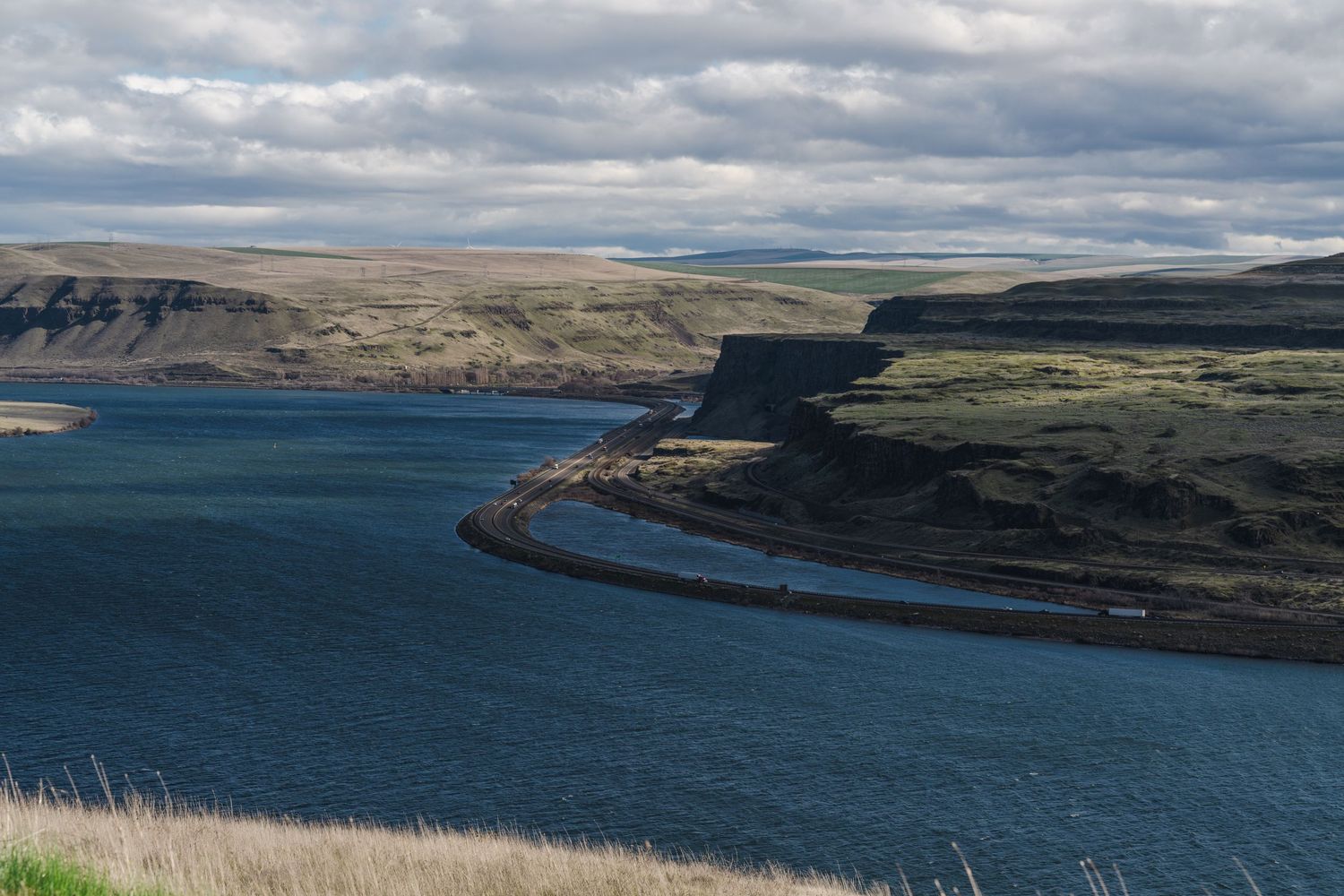
Midday light can be one of the more challenging types of lighting because the sun is higher in the sky, creating stronger shadows and more contrast. While this lighting isn’t my personal preference to shoot in and doesn’t always align with the style of work I create, it can still be used beautifully with the right approach, location, and positioning.
That doesn’t mean beautiful photos can’t happen at midday. There are still ways to work with this type of light, such as finding areas of open shade, using the environment to soften harsh sunlight, and being intentional with positioning and angles.
Like everything in photography, it’s less about avoiding certain light and more about understanding the light you’re working with and knowing how to make it work for your vision.
5.) Blue Hour
Blue hour happens shortly after sunset when the sky takes on cooler blue tones before the darkness sets in.
This type of light creates a more cinematic and moody feeling, which makes it perfect for:
- Cityscapes
- Landscapes
- Creative portraits
- Branding sessions
I love blue hour for city photography because it captures that transition between daytime and the lights of the city coming alive.
6.) Why Lighting Matters
A beautiful location is important, but the way light interacts with that location is what truly brings a photo to life.
When planning sessions, I’m always thinking about the direction of the sun, the time of day, the location, but especially the feeling we want the final images to have.
Whether it’s warm golden light through the trees, soft cloudy skies, or the glow of a city at blue hour, every type of light tells a different story.
Understanding light is one of the things that makes photography so exciting - there is always something new to notice and create!
A little note
Throughout this post, I’ve shared what types of sessions I personally find work well with different types of lighting. However, this is not a set of rules or the only way to photograph.
These suggestions are based on my own experience, what I’ve learned through trial and error, and what I’ve found works best for my photography style.
The fun part about photography is learning how to adapt. Every location, person, and situation is different, and sometimes the most unexpected lighting creates some of the most beautiful images.