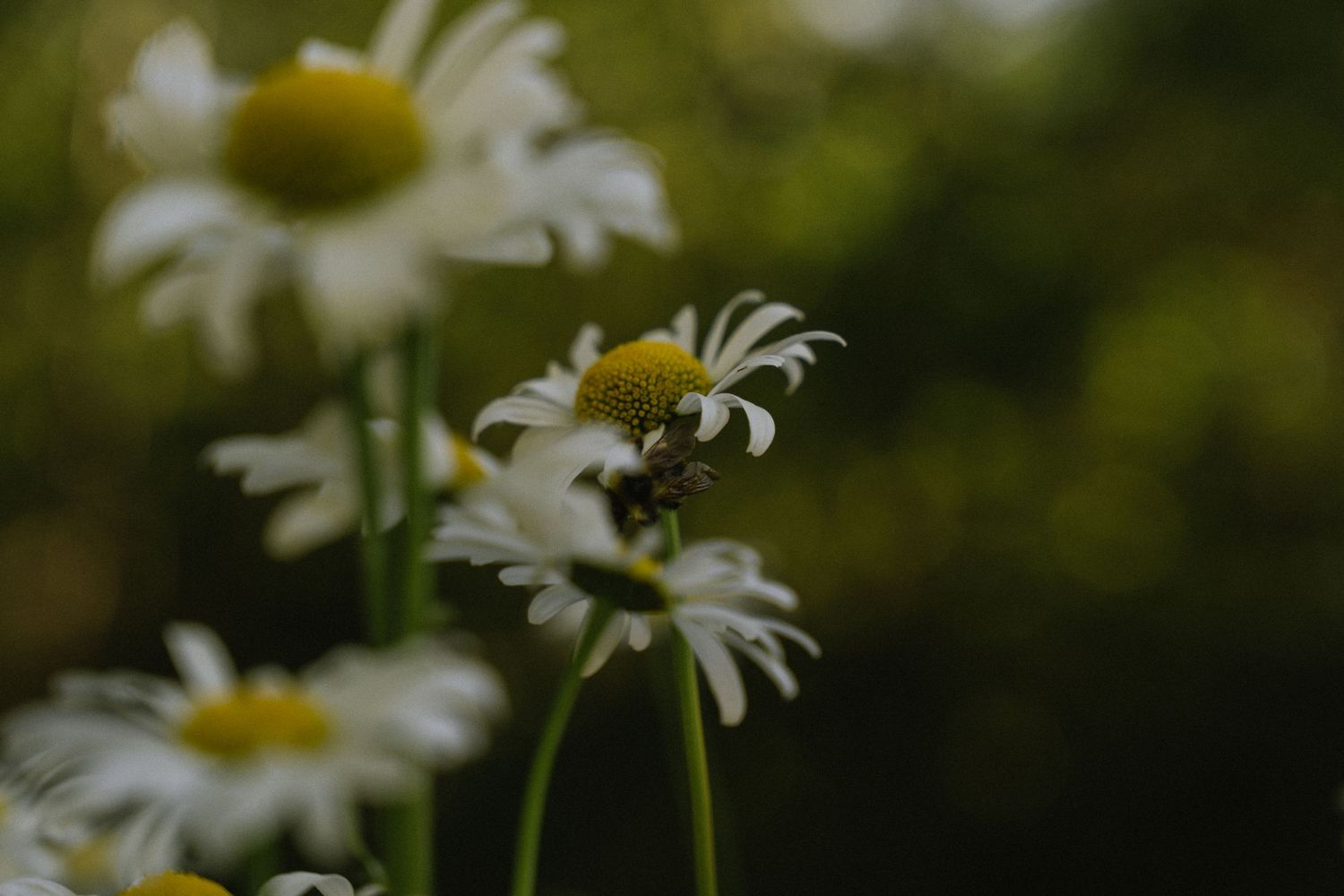

If you’ve read Part 1, you’ve already started building your eye through curiosity, practice, and asking questions. Now it’s time to build the foundation. This is where your photos begin to feel more intentional. The skills you develop here will shape everything moving forward, from how you shoot to how you edit and eventually how you develop your own style.
The Holy Trinity in Photography
At the core of every strong image are three essential settings. ISO, aperture, and shutter speed. These three control how light enters your camera and how your final image looks. Instead of relying on auto mode, understanding these allows you to take full creative control.
Here is a simple breakdown:
- ISO controls brightness and grain
- Aperture controls depth of field and background blur
- Shutter speed controls motion, whether it is frozen or blurred
Learning how these three work together is key to achieving a properly exposed image. If you want a full breakdown of each setting and how to use them, continue to Part 3 where we go into detail step by step.
Composition and How to Make Your Photos Feel Intentional
Once you begin understanding your camera, the next step is learning how to see. Composition is how you arrange elements in your frame. It guides the viewer’s eye and gives your image structure. This is one of my favourite parts about photography.
Here are a few simple techniques I aim to achieve to start practicing:
- Rule of thirds. Place your subject slightly off center
- Leading lines. Use natural lines to guide attention
- Framing. Shoot through objects to add depth
- Negative space. Give your subject room to breathe
Small changes in composition can completely transform a photo.
Understanding Colour Theory in Photography
Colour plays a major role in how your image feels. Before someone even focuses on your subject, they feel the tones and mood of the image. Warm tones such as reds, oranges, and yellows feel inviting and emotional. Cool tones such as blues and greens feel calm or moody. Contrasting colours help your subject stand out. Being intentional with colour will instantly elevate your work.
Editing Without Overdoing It
Editing should enhance your photo, not overpower it. One of the most common beginner mistakes is over editing. Too much contrast, too much saturation, or heavy filters can take away from the image.
- Focus on keeping your edits natural
- Keep skin tones realistic
- Avoid oversaturation
- Protect your highlights and shadows
- Make small and intentional adjustments
A strong edit should feel clean and effortless.
Developing Your Photography Style
Your style is not something you choose overnight. It develops over time. It comes from what you are drawn to, how you shoot, and how you edit. The more you practice, the more consistent your work becomes. That consistency is what turns into your style.
What Comes Next:
Photography is built in layers. You started with curiosity, and now you are building knowledge.
The next step is learning how to fully control your camera.
Continue to Part 3 where we break down ISO, aperture, and shutter speed in detail so you can start shooting with confidence.
July 27th, 2026
What Actually Creates Background Blur? (Hint: It's More Than Just an Expensive Camera)
Education
July 25th, 2026
Understanding Light: How Different Lighting Changes Your Photos
Education
July 19th, 2026